
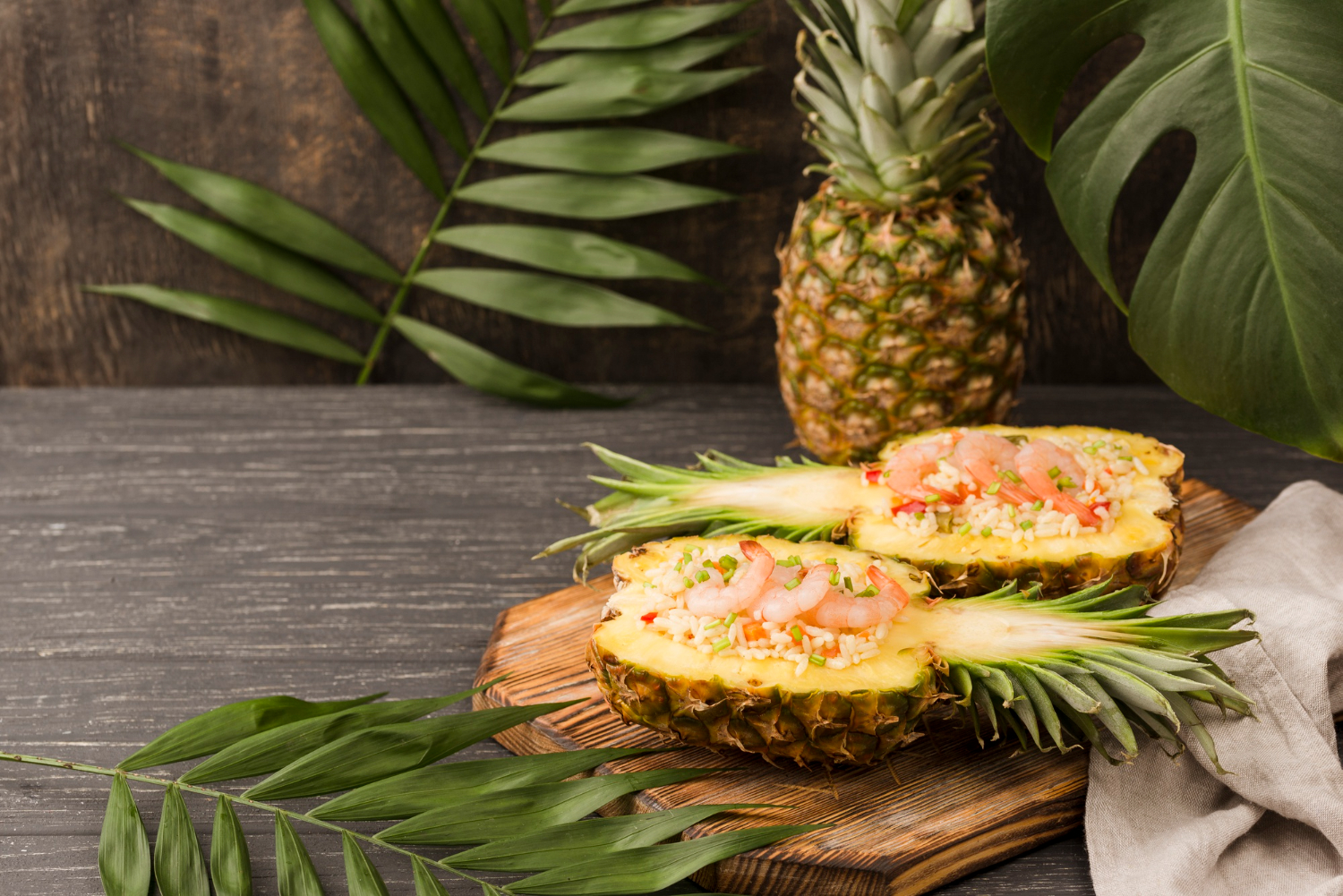
There are some recipes that come together purely by accident in the kitchen, and this Aloha Pineapple Kimchi with Teriyaki Salmon is exactly that kind of happy mistake. A few years ago, I found myself with a half-jar of kimchi that was screaming to be used up, a pineapple that was perfectly ripe, and some salmon fillets in the fridge. I thought, why not? The result was so unexpectedly delicious that it immediately became a regular in our dinner rotation.
This dish is the ultimate fusion of sweet, spicy, salty, and umami. The bright, tangy kimchi gets a tropical makeover with sweet pineapple, creating a funky, fruity slaw that cuts through the rich, caramelized teriyaki salmon like a dream. It’s a restaurant-quality meal that comes together in under 40 minutes, and every time I make it, my family hovers around the kitchen island, waiting to “taste test” the pineapple kimchi before it even hits the plate.
If you’re looking to shake up your weeknight dinner routine with something vibrant, healthy, and packed with flavor, let me show you how to make this Aloha Pineapple Kimchi with Teriyaki Salmon.
Table of Contents
Why You’ll Love This Recipe
- Sweet, Spicy, Savory Perfection: The fermented funk of the kimchi meets juicy sweet pineapple and is then contrasted by the sticky, salty-sweet teriyaki glaze. It’s a flavor explosion in every bite.
- Restaurant-Quality at Home: This dish looks and tastes like something you’d order at a trendy Hawaiian-fusion spot, but it’s simple enough to pull off on a busy Tuesday.
- Quick & Weeknight Friendly: With a total time of around 35 minutes, this is my go-to when I want something impressive but don’t want to spend hours in the kitchen.
- A Gut-Health Boost: The kimchi is packed with probiotics, and when you pair it with the omega-3s in the salmon, you’re getting a meal that tastes indulgent but is actually incredibly good for you.
- Completely Customizable: You can dial the spice up or down, swap the protein, or even turn this into a bowl. I’ll share all my favorite variations below.
- A Family Favorite: My husband, who usually claims he’s “not a fermented foods person,” actually requests this. He loves how the pineapple tames the kimchi’s bite, and my daughter loves scooping it all up with sticky rice.
Recipe Overview
This recipe is all about balance. The pineapple kimchi is a no-cook, quick-pickle style mix (using fermented kimchi as the base), so while the salmon marinates, you can throw the slaw together. It’s efficient, colorful, and absolutely foolproof.
| Attribute | Details |
|---|---|
| Prep time | 15 minutes |
| Cook time | 15-20 minutes |
| Total time | 30-35 minutes |
| Servings | 4 servings |
| Calories (approx.) | 520 kcal |
| Cuisine type | Hawaiian-Asian Fusion |
| Diet type | High-Protein, Gluten-Free option |
I usually make this on Fridays when I want to kick off the weekend with something that feels special but doesn’t tether me to the stove. The aroma of the teriyaki caramelizing in the pan is pure magic.
Ingredients
Here’s what you’ll need to bring this tropical fusion dish to life. I’ve kept the ingredient list straightforward, focusing on high-impact flavors.
For the Aloha Pineapple Kimchi:
- 2 cups spicy fermented napa cabbage kimchi, chopped into bite-sized pieces (I prefer a well-fermented, slightly sour one)
- 1 ½ cups fresh pineapple, diced into ½-inch cubes (the sweeter, the better!)
- 2 green onions, thinly sliced
- 1 teaspoon toasted sesame oil
- 1 teaspoon sesame seeds, plus more for garnish
For the Teriyaki Salmon:
- 4 salmon fillets (about 6 oz each), skin on or off—your preference
- ½ cup low-sodium soy sauce (or tamari for gluten-free)
- ¼ cup mirin
- 2 tablespoons sake (or dry white wine)
- 2 tablespoons brown sugar (or honey for a less refined option)
- 2 cloves garlic, minced
- 1 teaspoon fresh ginger, grated
- 1 tablespoon vegetable or avocado oil, for frying
For Serving:
- Cooked jasmine rice or sushi rice
- Extra sliced green onions and sesame seeds for garnish
- Lime wedges
Ingredient Substitutions (That I’ve Actually Tried)
One of the best things about this Aloha Pineapple Kimchi with Teriyaki Salmon is how flexible it is. I’ve tested this in various ways depending on what I have in the pantry:
- Salmon: If salmon isn’t your thing or you want a different protein, this teriyaki glaze is incredible on chicken thighs, firm tofu (pressed and pan-fried), or even thick slices of mahi-mahi.
- Pineapple: Canned pineapple chunks work in a pinch, but make sure to drain them well. Fresh pineapple has a better texture and a brighter acidity that really lifts the kimchi. I once used frozen and thawed pineapple, and it was a bit too mushy for my liking.
- Kimchi: The star of the show! Use your favorite store-bought brand. If you’re sensitive to spice, look for a “white” kimchi (which is milder) or a radish kimchi (kkakdugi) for a different crunch.
- Sake: No sake? No problem. You can substitute it with dry sherry or just a splash more mirin and a tiny bit of water.
- Soy Sauce: To make this gluten-free, simply swap the soy sauce for tamari or coconut aminos.
Step-by-Step Instructions
Alright, let’s get cooking! This recipe moves pretty quickly, so I like to get my rice going first, then prep the ingredients while it cooks.
Step 1: Make the Teriyaki Sauce
In a small bowl or a liquid measuring cup, whisk together the soy sauce, mirin, sake, brown sugar, minced garlic, and grated ginger. Give it a taste—it should be a perfect balance of salty, sweet, and savory. Set aside about ¼ cup of this mixture to use as a glaze at the end. The rest will be the marinade.
Step 2: Marinate the Salmon
Place the salmon fillets in a shallow dish or a zip-top bag. Pour the remaining teriyaki mixture (the larger portion) over the salmon. Turn the fillets to coat them evenly. Let them marinate at room temperature for 10-15 minutes while you prepare the kimchi. Don’t marinate for much longer than 20 minutes, or the acid in the marinade can start to “cook” the fish and make the texture mealy. I learned this the hard way!
Step 3: Assemble the Aloha Pineapple Kimchi
In a medium mixing bowl, combine the chopped kimchi, diced fresh pineapple, and sliced green onions.
Drizzle with the toasted sesame oil and sprinkle with the sesame seeds. Gently toss everything together until it’s well combined. The vibrant pink of the kimchi against the yellow pineapple is absolutely gorgeous. The smell at this point is incredible—funky, sweet, and nutty all at once. Set this aside. It really benefits from sitting for a few minutes while you cook the salmon, allowing the flavors to meld.
Step 4: Cook the Salmon
Remove the salmon from the marinade and gently shake off any excess. Pat the fillets dry with a paper towel. This is a crucial step! A dry surface is what gives you that beautiful, caramelized sear. Discard the used marinade.
Heat the vegetable oil in a large non-stick skillet over medium-high heat. Once the oil is shimmering, carefully place the salmon fillets in the pan, presentation side (skinless side or skin side up) down.
Sear for 4-6 minutes, depending on the thickness of your fillets. You want a deep golden-brown crust. I always wait until the edges look opaque and the fillet releases easily from the pan. If it sticks, it’s not ready to flip!
Step 5: Glaze and Finish
Carefully flip the salmon fillets. The cooked side should be beautifully caramelized.
Now, take the reserved ¼ cup of unused teriyaki sauce and drizzle it over the salmon. The sauce will immediately start to bubble and thicken in the hot pan.
Cook for another 3-5 minutes, basting the salmon continuously with the thick, sticky glaze by tilting the pan slightly and spooning the sauce over the top. The salmon should be cooked to your liking (I prefer it medium, just flaking easily with a fork). The sizzle and the sweet, soy-scented steam that rises up is pure comfort.
Step 6: Bring It All Together
To serve, spoon a generous amount of fluffy jasmine rice into bowls. Place a piece of the glazed teriyaki salmon right on top. Finally, heap a colorful portion of the Aloha Pineapple Kimchi alongside the salmon.
Garnish everything with a sprinkle of extra sesame seeds, more sliced green onions, and a fresh lime wedge for squeezing over the top. The lime really brightens up all the rich flavors.
Pro Tips for Perfect Results
After making this Aloha Pineapple Kimchi with Teriyaki Salmon more times than I can count, I’ve gathered a few non-negotiable tips to ensure it’s perfect every time.
- Don’t Over-Marinate the Salmon: As I mentioned earlier, 15 minutes is the sweet spot. The goal is to gently flavor the outside, not to cure the fish.
- Pat the Salmon Dry: This is the secret to a restaurant-quality sear. Moisture is the enemy of browning. Take that extra 10 seconds to pat it dry after it comes out of the marinade.
- Use a Hot Pan: Medium-high heat is your friend here. You want that immediate sizzle when the fish hits the pan. If the pan isn’t hot enough, the salmon will steam instead of sear.
- Taste Your Kimchi First: Kimchi can vary wildly in saltiness and spice level. Taste it before you add it to the pineapple. If it’s extremely salty or spicy, you might want to add a little extra pineapple to balance it out.
- The Pineapple Texture: I prefer my pineapple diced small, about the same size as the kimchi pieces. This ensures you get a bit of sweet pineapple in every single forkful alongside the tangy kimchi.
Variations & Add-Ons
This recipe is a fantastic base for creativity. Here are some of my favorite ways to switch it up:
- Make it a Spicy Mayo Bowl: Drizzle the finished bowl with sriracha mayo (just mix sriracha with mayo) for extra creaminess and heat. This is actually how I prefer it—the cool, spicy mayo ties everything together so well.
- Low-Carb / Keto Option: Skip the rice and serve the salmon and pineapple kimchi over a bed of sautéed spinach or zucchini noodles. The bright flavors work beautifully with greens.
- Add Some Crunch: Top the bowl with crushed macadamia nuts or crispy fried shallots for a wonderful textural contrast that plays into the Hawaiian theme.
- Grilled Version: In the summer, I love to grill the salmon instead of pan-frying it. Marinate as directed, then grill over medium-high heat for 4-5 minutes per side, basting with the reserved glaze during the last few minutes. The slight smokiness is amazing.
Storage and Meal Prep Tips
This Aloha Pineapple Kimchi with Teriyaki Salmon is great for meal prep, but you need to store the components separately to keep everything tasting its best.
- Fridge Storage: Store the cooked salmon and the pineapple kimchi in separate airtight containers in the refrigerator.
- Cooked Salmon: Will stay fresh for up to 2 days.
- Aloha Pineapple Kimchi: This is best eaten within 1-2 days, as the pineapple will continue to soften and release liquid, and its fresh flavor will start to ferment further with the kimchi. It’s still safe to eat for about 4-5 days, but the texture will be softer.
- Freezing: I don’t recommend freezing the assembled dish. The texture of both the cooked salmon and the fresh pineapple kimchi will suffer significantly upon thawing.
- Best Reheating Method: To reheat the salmon, I highly recommend using a skillet. Place it in a pan over medium-low heat with a tiny splash of water or extra teriyaki sauce, cover it, and warm gently for 2-3 minutes. This prevents it from drying out. The microwave can make the salmon rubbery. The pineapple kimchi is served cold, so just spoon it straight from the fridge!
- My Meal Prep Tip: If I’m making this for lunches, I’ll prep the pineapple kimchi and cook the salmon fillets. I pack the salmon and kimchi separately from the rice. When it’s time to eat, I quickly reheat the salmon in a skillet while my rice steams in the microwave. It tastes almost as good as fresh!
FAQ Section
Q: Can I use store-bought teriyaki sauce instead of making my own?
A: Absolutely, you can! It’s a great time-saver. Look for a good-quality, thick bottled sauce. However, I do find that homemade sauce has a brighter, less cloyingly sweet flavor. If using store-bought, I still recommend reserving a portion to use as a glaze at the end, just like in the recipe.
Q: Is this recipe very spicy? How can I make it kid-friendly?
A: The spice level depends entirely on the kimchi you choose. My go-to kimchi has a moderate kick. To make it milder for kids, look for “white kimchi,” which is a non-spicy, refreshing version. You can also serve the pineapple and kimchi separately, letting everyone mix their own bowl. My daughter loves the sweet pineapple and salmon together, with just a tiny piece of the kimchi on the side.
Q: Can I make the Aloha Pineapple Kimchi ahead of time?
A: You can, but with a caveat. While the flavors will meld and become even more delicious after a few hours in the fridge, the fresh pineapple will soften and lose its firm crunch. For the best texture, I recommend making it no more than 2-3 hours before serving. If you do make it ahead, give it a quick stir and maybe add an extra sprinkle of fresh green onions right before serving.
Q: I can’t find mirin or sake. What are the best substitutes?
A: For mirin, a good substitute is ¼ cup of dry sherry or a mix of ¼ cup white wine with 1 teaspoon of sugar. For sake, you can simply use dry sherry or even a little more mirin. If using more mirin, just be aware it will make the sauce a touch sweeter, so you might want to reduce the brown sugar slightly.
Q: What side dishes go well with this besides rice?
A: Oh, so many! A simple cucumber salad with rice vinegar is perfect for cutting through the richness. Steamed edamame sprinkled with sea salt is another easy, delicious side. If you’re feeling extra, some garlicky green beans or blistered shishito peppers would be fantastic alongside this tropical meal.
Conclusion with Call-to-Action
This Aloha Pineapple Kimchi with Teriyaki Salmon is more than just a recipe; it’s a vibrant, exciting experience on a plate. It’s proof that you can have a restaurant-quality, flavor-packed meal on the table in well under an hour without any stress. The way the sweet pineapple tames the spicy kimchi, which then cuts through the rich, sticky salmon it’s a combination that just works.
I truly hope you give this fusion dish a try in your own kitchen. It’s one of those meals that feels special enough for company but is easy enough to become a regular weeknight hero.
When you make it, I’d love to hear how it turns out! Leave a comment below, tag me in your photos on social media, and let me know if you tried any of the variations. Happy cooking, friends!