
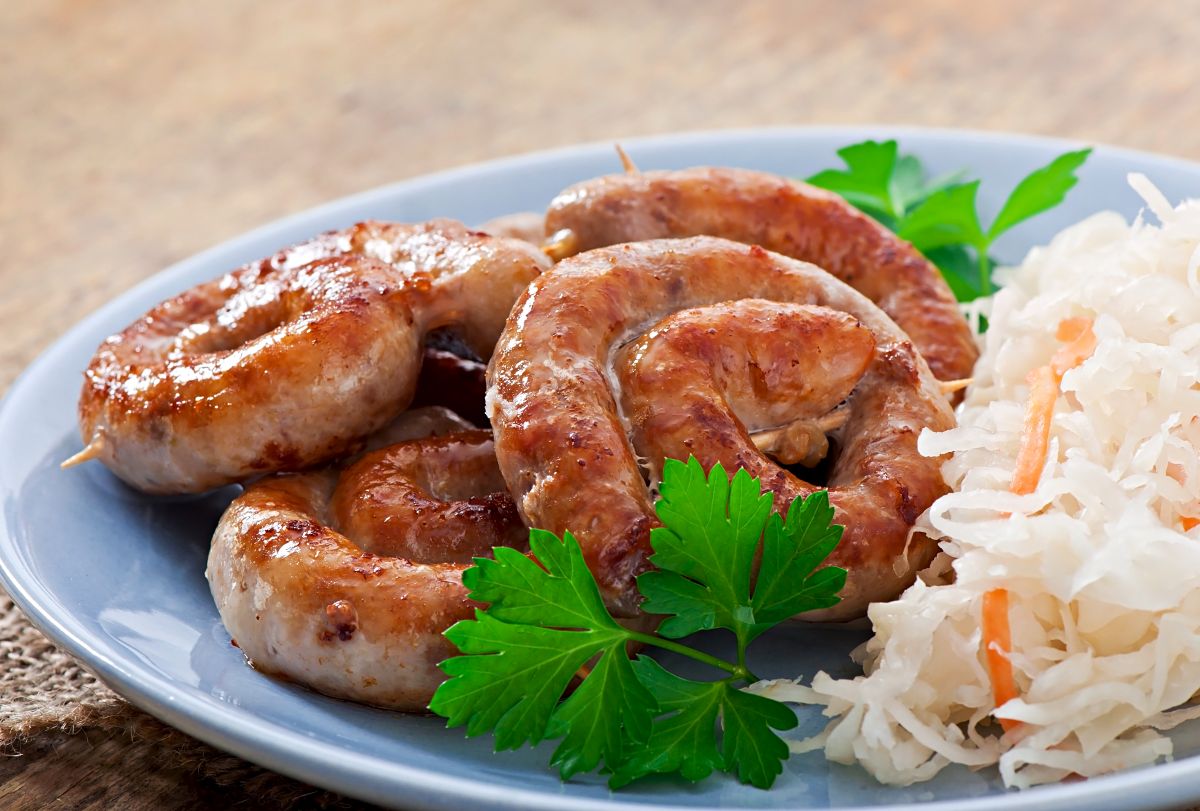
Introduction: Why a Cabbage Boil Never Goes Out of Style
There’s something deeply comforting about a cabbage boil simmering on the stove. The sound of bubbling broth, the aroma of spices and sausage, and the sight of tender cabbage wedges soaking up all that flavor instantly signal warmth, generosity, and home cooking at its best. This is the kind of meal that doesn’t try to impress with fancy techniques it wins you over with honesty, heart, and bold flavor.
A cabbage boil is a one-pot wonder rooted in frugal, communal cooking traditions found across the American South, Midwest, and parts of Europe. It’s the meal people make when they want to feed a crowd without stress, stretch ingredients without sacrificing taste, and bring everyone to the table together. For me, it’s also nostalgic: a dish tied to family gatherings, cold evenings, and that first bite where buttery cabbage and smoky sausage melt together.
Beyond comfort, this recipe is nutritious, customizable, budget-friendly, and beginner-proof. Whether you’re cooking for a weeknight dinner or a casual get-together, this cabbage boil delivers big flavor with minimal effort exactly what great home cooking should be.
Table of Contents
Recipe Summary Table
| Category | Details |
|---|---|
| Prep Time | 15 minutes |
| Cook Time | 40–45 minutes |
| Total Time | ~1 hour |
| Difficulty | Easy |
| Servings | 4–6 |
| Dietary Tags | Gluten-free, Dairy-optional, One-pot |
| Cuisine | American comfort food |
Ingredients for Cabbage Boil (With Notes & Substitutions)
Main Ingredients
- 1 large green cabbage (about 1.2–1.5 kg / 2½–3 lb), cut into wedges
Note: Savoy cabbage works well; red cabbage will change the color. - 450 g / 1 lb smoked sausage (kielbasa, turkey sausage, or beef sausage), sliced
Substitution: Plant-based sausage for vegetarian version. - 680 g / 1½ lb potatoes (Yukon Gold or red), halved
Tip: Leave skins on for texture and nutrients. - 3 medium carrots (about 300 g / 10 oz), cut into chunks
- 1 large onion, quartered
- 4 cloves garlic, smashed
Broth & Seasoning
- 1.5 liters / 6 cups chicken or vegetable broth
- 2 tbsp butter (or olive oil)
- 1 tsp smoked paprika
- 1 tsp Old Bay seasoning (or Cajun seasoning)
- ½ tsp black pepper
- ½ tsp salt (adjust to taste)
- ½ tsp red pepper flakes (optional)
Optional Flavor Boosters
- Bay leaf
- Corn on the cob (cut into thirds)
- Fresh parsley or dill for garnish
Step-by-Step Instructions (With Pro Tips)
1. Build the Flavor Base
In a large stockpot or Dutch oven, add the broth, garlic, onion, butter, and seasonings. Bring to a gentle boil.
Why it matters: Starting with a seasoned broth ensures every ingredient absorbs flavor from the inside out.
Visual cue: The broth should smell fragrant and lightly spiced before adding vegetables.
2. Add Potatoes and Carrots First
Add potatoes and carrots to the boiling broth. Reduce to a medium simmer and cook for 10–12 minutes.
Why: These vegetables take longer to soften and need a head start.
Pro tip: Pierce a potato with a knife it should resist slightly but not feel raw.
3. Add Sausage and Cabbage
Nestle sausage slices and cabbage wedges into the pot. Press gently so everything is partially submerged.
Cover and simmer for 20–25 minutes, until cabbage is tender and sausage is heated through.
Visual cue: Cabbage should be silky and bend easily, not mushy.
4. Taste and Adjust
Remove bay leaf if used. Taste the broth and adjust salt, spice, or butter.
Optional: Add an extra tablespoon of butter for richness right before serving.
5. Serve Hot
Use a slotted spoon to serve solids into bowls, then ladle broth over the top.
Garnish with fresh herbs and cracked black pepper.
Expert Tips, Variations & Troubleshooting
Professional Tips
- Don’t overboil – aggressive boiling turns cabbage sulfurous.
- Cut cabbage into large wedges so it holds shape.
- Layer wisely – hard vegetables first, tender last.
- Season gradually – sausages vary in saltiness.
- Butter at the end creates a glossy, rich finish.
- Use smoked sausage for depth without long cooking.
- Rest 5 minutes before serving to let flavors settle.
Delicious Variations
- Southern Cabbage Boil: Add bacon and apple cider vinegar.
- Seafood Cabbage Boil: Shrimp, crab legs, corn, and Old Bay.
- Low-Carb Version: Replace potatoes with turnips or cauliflower.
- Vegetarian: Use veggie broth, mushrooms, and plant sausage.
- Spicy Cajun: Extra Cajun seasoning + hot sauce.
Troubleshooting
- Too bland? Add salt or a splash of vinegar.
- Too salty? Dilute with water or unsalted broth.
- Mushy vegetables? Shorten cook time next round.
Frequently Asked Questions (FAQ)
Can I make cabbage boil ahead of time?
Yes. It tastes even better the next day as flavors deepen.
How do I store leftovers?
Store in an airtight container in the fridge for up to 4 days.
Can I freeze cabbage boil?
Yes, but freeze without potatoes for best texture.
What pot is best?
A large Dutch oven or stockpot (6–8 qt).
Can I use red cabbage?
You can, but expect a purple broth and slightly firmer texture.
Is cabbage boil healthy?
Absolutely—high in fiber, vitamins C & K, and naturally low in calories.
Nutritional Information (Approximate per serving)
- Calories: 420
- Protein: 18 g
- Carbohydrates: 32 g
- Fat: 24 g
- Fiber: 7 g
Health note: Cabbage supports digestion, heart health, and inflammation reduction, making this comfort food surprisingly nourishing.
Serving Suggestions & Pairings
- Sides: Crusty bread, cornbread, or garlic toast
- Drinks: Dry Riesling, Sauvignon Blanc, or light beer
- Occasions: Family dinners, potlucks, cold-weather meals
Cultural & Unique Insights
Cabbage boils evolved as working-class meals designed to feed many people with minimal waste. Similar dishes exist worldwide, from Irish boiled dinners to Eastern European cabbage stews, proving that humble ingredients often create the most enduring comfort foods.