
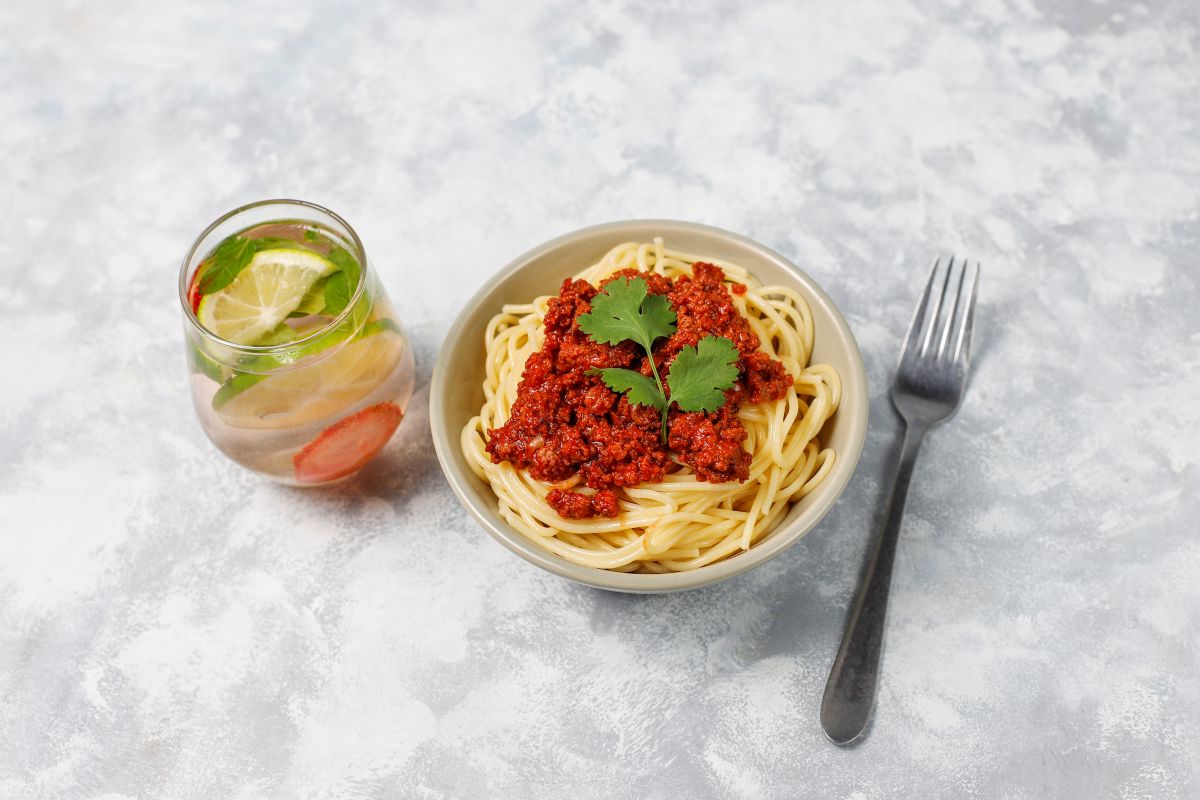
There are some recipes that come to life by accident and then there’s this one. I still remember the evening I first made Gochujang Cacio e Pepe. I was staring into my fridge, craving the comforting, peppery richness of classic Roman cacio e pepe, but I also had this lingering desire for something bolder. Something with a little heat. My eyes landed on a tub of gochujang that deep, funky, spicy-sweet Korean fermented chili paste and I thought, why not?
What happened next was pure magic. The silky, starchy pasta water emulsified with Pecorino Romano and gochujang into this impossibly creamy, coral-hued sauce that clung to every strand of spaghetti. My husband took one bite and said, “Okay, you’re never making regular cacio e pepe again.” And honestly? He might be right.
This Gochujang Cacio e Pepe is exactly what happens when two iconic culinary traditions collide in the best possible way. It’s ready in under 20 minutes, uses just a handful of ingredients, and delivers that irresistible combination of umami, heat, and cheesy richness. Whether you’re a fan of Korean flavors, Italian comfort food, or just love a good fusion experiment that actually works, this recipe is about to become a weeknight staple.
Table of Contents
Why You’ll Love This Recipe
- It’s ridiculously fast. From start to finish, we’re talking 20 minutes. This is my go-to when I’m tired, hungry, and don’t want to deal with a sink full of dishes.
- No cream required. The sauce gets its silky texture entirely from the starchy pasta water and the natural emulsification of the cheese. That’s the authentic cacio e pepe technique just with a spicy, umami-packed twist.
- That gochujang glow. The gochujang doesn’t just add heat; it brings this deep, fermented complexity that makes the dish taste like it simmered for hours. My mom tried it and immediately asked for the recipe to serve at her book club.
- Only 7 ingredients. Pantry-friendly, budget-conscious, and endlessly adaptable. I’ve made this with spaghetti, bucatini, and even gluten-free pasta all worked beautifully.
- It’s the perfect balance. Creamy, spicy, salty, and peppery all in one bite. My kids? They prefer it with a little less gochujang (I use 1 tablespoon instead of 2 for their plates), but my husband and I love the full kick.
Recipe Overview
| Detail | Info |
|---|---|
| Prep Time | 5 minutes |
| Cook Time | 12–15 minutes |
| Total Time | 20 minutes |
| Servings | 2 generous servings or 3 smaller portions |
| Calories per Serving | Approximately 580–620 calories |
| Cuisine Type | Korean-Italian Fusion |
| Diet Type | Vegetarian (can be made gluten-free with GF pasta) |
I usually make this on busy weeknights when I want something that feels indulgent but doesn’t require a trip to the grocery store. It’s also my go-to “I need to impress someone but have zero energy” dish.
Ingredients
Main Ingredients
- 8 oz (225 g) spaghetti, bucatini, or tonnarelli – I prefer spaghetti for this because it holds the sauce well, but any long pasta works
- 2 tablespoons gochujang – Look for Korean gochujang in the red tub; I use the medium-spicy variety
- 1 ½ cups finely grated Pecorino Romano cheese – Please, please grate it yourself. Pre-grated cheese has anti-caking agents that prevent smooth melting
- 1 teaspoon freshly ground black pepper – Plus extra for garnish
- 1 tablespoon unsalted butter – This is my little addition; traditional cacio e pepe doesn’t use butter, but I find it helps stabilize the emulsion when working with gochujang
- ½ teaspoon kosher salt – Adjust to taste, but go easy since Pecorino is salty
- 2 tablespoons extra-virgin olive oil
For Garnish (Optional)
- Toasted sesame seeds
- Thinly sliced scallions
- Extra cracked black pepper
Substitutions & Swaps I’ve Tested
If you don’t have Pecorino Romano, Parmigiano-Reggiano works in a pinch, though you’ll lose some of that sharp, salty tang that balances the gochujang so well. I’ve made this with a 50/50 blend of both, and it’s lovely.
For a dairy-free version, I’ve used high-quality nutritional yeast (about ½ cup) and a splash of unsweetened oat milk to help with creaminess. It’s not identical, but it scratches the itch if you’re avoiding dairy.
If you want less heat, reduce the gochujang to 1 tablespoon and add a pinch of sweet paprika for color. My friend Sarah who claims black pepper is “too spicy” for her loved this milder version.
Step-by-Step Instructions
1. Grate Your Cheese (Please, Actually Do This)
I know it’s tempting to grab the bag of pre-shredded cheese, but I’m going to ask you to trust me on this one. Finely grate your Pecorino Romano on the smallest holes of a box grater. You want it light and fluffy, almost snow-like. Pre-grated cheese contains starches and cellulose that will cause your sauce to turn into a clumpy mess instead of that silky emulsion we’re after. I learned this the hard way when I first started making cacio e pepe—my sauce seized into a stringy ball, and I nearly cried.
2. Start the Pasta Water
Fill a large pot with water and bring it to a rolling boil. Season it with about 1 tablespoon of kosher salt it should taste like the sea. The pasta water is the only liquid in this sauce, so its starch content and seasoning are absolutely critical.
3. Toast the Pepper
While the water comes to a boil, heat a large skillet or sauté pan over medium-low heat. Add the freshly ground black pepper and toast it for about 60–90 seconds until it becomes fragrant. You’ll smell that sharp, piney aroma when it’s ready. Don’t walk away burnt pepper is bitter and will ruin the dish. I made that mistake once while trying to answer a text, and I had to start over.
4. Add the Gochujang and Olive Oil
To the same skillet, add the gochujang and olive oil. Stir to combine with the toasted pepper. Cook for about 2 minutes over low heat, stirring occasionally. The gochujang will deepen in color and become slightly caramelized around the edges. This step wakes up all those fermented umami notes. The smell at this stage is incredible earthy, spicy, with a hint of sweetness.
5. Cook the Pasta
Add your pasta to the boiling water and cook until al dente about 1 minute less than the package instructions. The pasta will continue cooking in the sauce, so you want it to have a little bite left.
6. Reserve Your Pasta Water
Before draining, scoop out at least 1 cup of the starchy pasta water. This is the non-negotiable step. That cloudy, starchy liquid is what creates the creamy emulsion. I keep a measuring cup next to the sink as a reminder so I don’t absentmindedly dump it all down the drain.
7. Build the Sauce
Drain the pasta (don’t rinse it!) and transfer it directly to the skillet with the gochujang mixture. Add the butter and about ½ cup of the reserved pasta water. Turn the heat to medium and toss everything together using tongs. You want to agitate the pasta while the water reduces slightly this is where the emulsion begins to form.
8. Add the Cheese Off-Heat
Here’s the technique that makes or breaks this dish: turn off the heat completely. Sprinkle the grated Pecorino Romano over the pasta in two or three additions, tossing vigorously after each. The residual heat will melt the cheese gently. If you add the cheese over direct heat, it can clump or seize. I keep the reserved pasta water nearby and add a splash more if the sauce looks too thick. You’re looking for a glossy, creamy consistency that coats each strand.
9. Taste and Adjust
Give the pasta a taste. The gochujang adds a subtle sweetness, but you might want more black pepper or a pinch of salt. I usually add another ¼ cup of pasta water at this stage because the sauce thickens as it sits.
10. Serve Immediately
Twirl the pasta into bowls and garnish with toasted sesame seeds, scallions, and an extra crack of black pepper. Cacio e pepe is notoriously best eaten the moment it hits the plate the sauce waits for no one.
Pro Tips for Perfect Results
Master the emulsion. The key to any cacio e pepe Korean-fusion or otherwise is creating a stable emulsion. The starch from the pasta water acts as a binder, while the fat from the butter, olive oil, and cheese creates that silky texture. Always reserve more pasta water than you think you need, and add it gradually.
Temperature control is everything. I cannot stress this enough: add the cheese off the heat. When I first started making fusion pastas, I kept the burner on low and wondered why my cheese turned into a rubbery mess. The gentle residual heat from the pasta and skillet is all you need to melt the Pecorino smoothly.
Grate your own cheese. I’ll say it again because it’s that important. Pre-grated cheese contains potato starch and cellulose, which prevent clumping in the bag but also prevent smooth melting in your pan. A box grater and two minutes of effort will transform your results.
Don’t overcook the gochujang. While you want to caramelize it slightly, too much heat for too long can make the gochujang bitter. Keep it at medium-low during the initial sauté, and watch for the color to deepen just slightly.
Variations & Add-Ons
Gochujang Cacio e Pepe with Crispy Pancetta: This is my husband’s favorite variation. Render 3 ounces of diced pancetta in the skillet before toasting the pepper, then proceed with the recipe. The salty, crispy pork adds another layer of richness that complements the gochujang beautifully.
Extra Spicy Version: Add ½ teaspoon of gochugaru (Korean red pepper flakes) when you toast the black pepper. The double dose of Korean heat is intense but so satisfying. I make this version when I need a serious flavor kick.
Low-Carb / Gluten-Free: Use gluten-free spaghetti made from brown rice or chickpeas. The cooking time will vary, but the technique remains the same. Just note that gluten-free pasta releases less starch, so you may need to cook it in slightly less water to concentrate the starch, or add a teaspoon of cornstarch to your reserved pasta water.
Vegan Gochujang Pasta: Replace the Pecorino with ½ cup of nutritional yeast blended with 2 tablespoons of cashew butter and a splash of unsweetened oat milk. It’s a different dish, but the creamy, spicy result is genuinely delicious.
Sesame-Garlic Fusion: Add 2 minced garlic cloves when toasting the pepper, and finish with a drizzle of toasted sesame oil instead of butter. The garlic and sesame take this in a more distinctly Korean direction, and it’s become my go-to when I’m craving something extra aromatic.
My personal favorite? The original version with a generous sprinkle of toasted sesame seeds and scallions. I love how the sesame echoes the nutty notes in the gochujang while the scallions add fresh contrast.
Storage and Meal Prep Tips
Let’s be real: cacio e pepe (fusion or otherwise) is at its absolute best fresh. The sauce can tighten up or separate when reheated. But I’m a busy cook, and I know leftovers happen.
Refrigerator: Store in an airtight container for up to 3 days. When you reheat, add a splash of water or milk and warm gently in a skillet over low heat, tossing constantly to re-emulsify the sauce. Microwave tends to make it greasy, so I avoid it.
Freezing: I don’t recommend freezing this dish. The cheese and starch emulsion breaks down during thawing, leaving you with a grainy texture. If you absolutely must, freeze the pasta without the cheese sauce (just toss with gochujang and olive oil) and add freshly grated cheese after reheating.
My lazy-day trick: When I know I’ll want this later in the week, I pre-grate the Pecorino and measure out the gochujang and pepper into a small container. Then all I have to do is boil pasta and toss everything together. The prep takes 5 minutes, and future me is always grateful.
FAQ Section
Can I use Parmesan instead of Pecorino Romano?
You can, but the flavor profile changes. Pecorino is sharper, saltier, and more assertive which helps it stand up to the gochujang. Parmesan is milder and nuttier. I recommend using at least half Pecorino if possible. When I’m out of Pecorino, I use all Parmesan and add a pinch of salt to compensate.
Why did my sauce turn out clumpy or grainy?
This almost always happens for two reasons: the cheese wasn’t finely grated, or it was added over direct heat. Use the smallest holes on your grater, turn off the heat before adding cheese, and toss vigorously. Also make sure your pasta water is well-salted and starchy—the starch acts as an emulsifier.
Is this dish very spicy?
The spice level is moderate noticeable but not overwhelming. Gochujang has a fermented sweetness that balances the heat. For a milder version, reduce the gochujang to 1 tablespoon. For more heat, add gochugaru or a dash of cayenne when toasting the pepper.
What’s the best pasta shape for this recipe?
Long, stranded pastas like spaghetti, bucatini, or tonnarelli work best because they catch the sauce beautifully. That said, I’ve made this with rigatoni when that’s all I had, and the sauce pooled nicely in the tubes. Use what you have just make sure it’s a shape with some texture to hold onto the creamy sauce.
Can I make this dairy-free?
Yes! I’ve successfully made a dairy-free version using ½ cup of nutritional yeast and 2 tablespoons of cashew butter, thinned with reserved pasta water until creamy. It won’t have the exact same tangy sharpness, but it’s delicious in its own right and the gochujang carries so much flavor that you won’t miss the cheese as much as you’d expect.
Conclusion with Call-to-Action
If you’re the kind of cook who loves taking familiar dishes and giving them an unexpected twist, this Gochujang Cacio e Pepe was made for you. It’s proof that sometimes the best recipes come from simply asking, “What if?” and trusting your instincts in the kitchen.
I’d love to know how this turns out for you. Did you add crispy pancetta? Go heavy on the sesame? Or maybe you discovered your own variation I haven’t even thought of yet. Drop a comment below and let me know I read every single one, and nothing makes me happier than hearing you’ve made this recipe your own.
Now go boil some water, grab that tub of gochujang from the back of your fridge, and make yourself a bowl of spicy, cheesy, absolutely unforgettable pasta. You deserve it.
Happy cooking,
Jenna