
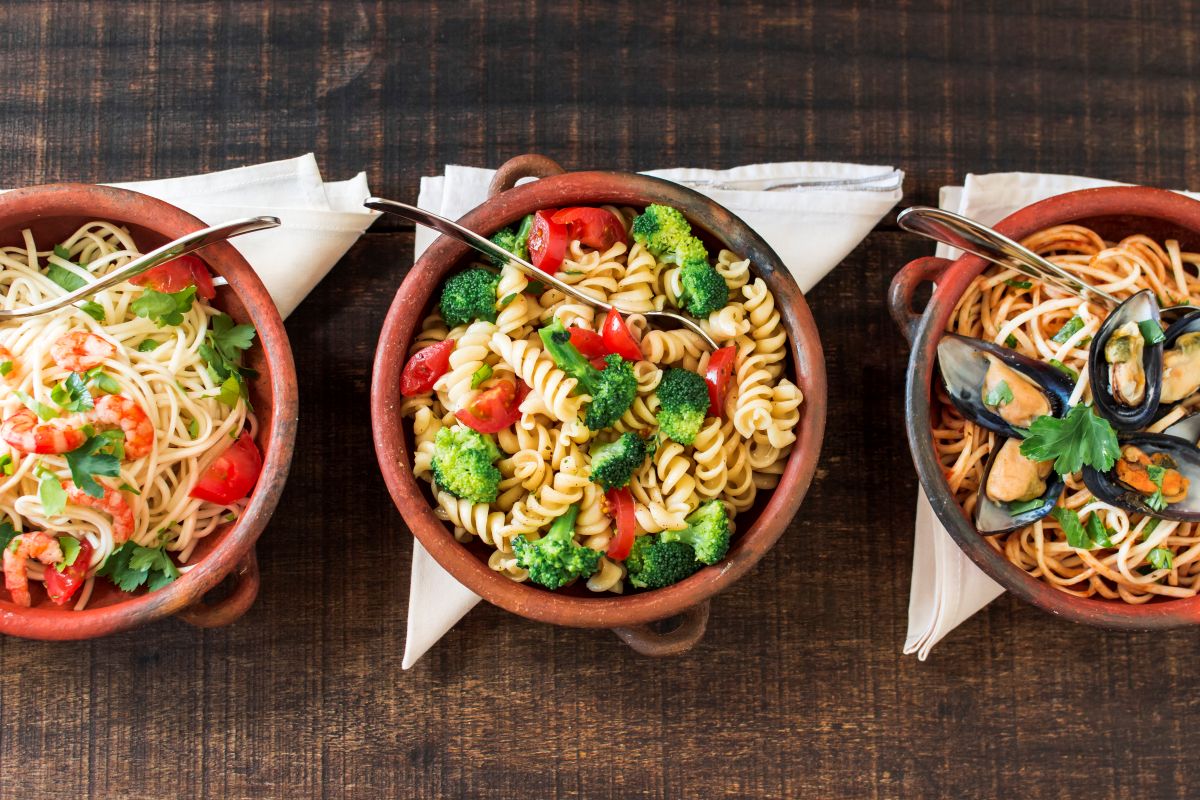
There is something undeniably comforting about a bowl of rustic-style pasta. It’s the kind of dish that feels like home, even if you’re thousands of miles away from an Italian countryside kitchen. When you cook rustic-style pasta with seasonal ingredients, you are not just preparing a meal—you are connecting to a tradition built around simplicity, fresh produce, and respect for the seasons. This recipe is special because it embodies the philosophy of slow cooking, mindful eating, and letting natural flavors shine without unnecessary complication.
Growing up, pasta nights always meant creativity in the kitchen. We didn’t follow strict recipes; instead, we opened the fridge, picked what was fresh, and let ingredients guide the dish. In spring, peas and asparagus found their way in. Summer meant sun-ripened tomatoes and basil. Fall brought earthy mushrooms and pumpkin, while winter welcomed hearty greens like kale paired with a rich, warm sauce. This approach—season-driven, flexible, and soulful—is what makes rustic-style pasta magical. It is a meal that adapts to what the land offers at the moment.
Whether you’re cooking for family, hosting a cozy dinner, or simply treating yourself, this dish promises deep flavor, nutritious whole ingredients, and a farmhouse-style experience with every bite. In this guide, we’ll explore the recipe in detail with expert tips, substitutions, serving ideas, and everything you need to perfect it every time.
Table of Contents
Recipe Summary
| Feature | Details |
|---|---|
| Dish name | Rustic-Style Pasta with Seasonal Ingredients |
| Prep time | 15 minutes |
| Cook time | 25 minutes |
| Total time | 40 minutes |
| Difficulty | Easy to Moderate |
| Servings | 4 people |
| Dietary tags | Vegetarian (with vegan + gluten-free options) |
Ingredients
Seasonal Ingredient Base (choose depending on season)
Use what’s freshest—this is the heart of rustic cooking.
Spring Variation (fresh + green)
- 200 g (7 oz) asparagus, chopped
- 1 cup (150 g) fresh peas
- Handful fresh mint or parsley
Summer Variation (bright + juicy)
- 300 g (10 oz) cherry tomatoes, halved
- 1 medium zucchini, sliced
- Fresh basil leaves
Autumn Variation (earthy + comforting)
- 250 g (9 oz) mushrooms, sliced
- 1 cup (200 g) roasted pumpkin cubes
- Fresh sage or thyme
Winter Variation (hearty + robust)
- 200 g (7 oz) kale or swiss chard, chopped
- 1 red onion, finely sliced
- A pinch of chili flakes
Core Base Ingredients (for all seasons)
- 350 g (12 oz) pasta (tagliatelle, pappardelle, rigatoni, or fusilli)
- 3 tbsp extra virgin olive oil
- 3 garlic cloves, minced
- 1 small onion, diced
- 1/2 cup (120 ml) vegetable broth or reserved pasta water
- 1/2 cup (50 g) grated Parmesan or Pecorino (optional for vegan)
- Salt and black pepper to taste
- Zest of 1 lemon (optional but recommended for brightness)
Notes & Substitutions
- Use gluten-free pasta if needed.
- Substitute Parmesan with nutritional yeast for vegan-friendly richness.
- Add protein (chicken, shrimp, tofu, white beans) if desired.
- Olive oil is key—use high quality for best flavor.
Step-by-Step Cooking Instructions
1. Prepare the Seasonal Vegetables
Wash and chop vegetables according to the variation you’re choosing.
Why this matters: Even cuts cook evenly and retain texture. Seasonal ingredients are often tender and need minimal cooking.
2. Bring a Pot of Salted Water to Boil
Use at least 3 liters of water for 350 g of pasta. Salt generously (water should taste like the sea).
Pro Tip: Salting early builds flavor from within, not just on the surface.
3. Start the Flavor Base
Heat olive oil in a large skillet over medium heat. Add onions and sauté 3–4 minutes until translucent. Add garlic and cook 1 minute until fragrant.
Visual cue: Garlic should slightly sizzle without browning.
4. Add Your Seasonal Ingredients
Spring veggies need light sautéing; summer tomatoes should blister; mushrooms must release moisture; hardy winter greens need a bit longer.
Cook 5–8 minutes depending on texture desired.
5. Boil the Pasta
Add pasta to boiling water. Cook until al dente (usually 8–10 minutes).
Save a cup of pasta water before draining—it’s liquid gold for sauce.
6. Combine Pasta with the Sauce
Transfer cooked pasta to skillet with vegetables. Add broth or pasta water gradually, tossing to create a silky coating.
Why this step is crucial: Starch in pasta water emulsifies sauce, forming a rustic but cohesive texture.
7. Add Cheese or Vegan Alternative
Stir in Parmesan or nutritional yeast off the heat to avoid clumping.
Add lemon zest for brightness and more olive oil if needed.
8. Season and Serve
Adjust salt, pepper, and garnish generously—fresh herbs make flavors bloom.
Expert Tips, Variations & Troubleshooting
Pro Tips (5–7)
- Always cook vegetables according to firmness—harder ones first.
- Add a pat of butter at the end for richness (optional but sublime).
- Toasting garlic too long can turn bitter—golden is ideal.
- For deeper flavor, roast vegetables instead of sautéing.
- A splash of white wine during cooking elevates depth dramatically.
- If pasta dries out, add more water—not more oil.
- Use whole-wheat pasta for more fiber and nutty flavor.
Variations (3–5)
- Creamy version: Add 1/4 cup cream or cashew cream at step 6.
- Protein boost: Add grilled chicken, shrimp, or chickpeas.
- Spicy twist: Add chili flakes or Calabrian chili paste.
- Pesto blend: Stir in spoonful of basil or arugula pesto.
- Cheesy bake: Transfer to dish, top with mozzarella, bake 10 minutes.
Troubleshooting
- Sauce too thin? Simmer uncovered 2–3 minutes.
- Too thick? Add extra pasta water splash by splash.
- Bland flavor? Increase herbs, lemon zest, or cheese.
- Overcooked pasta? Stop cooking early next time—rustic pasta likes bite.
FAQ
1. Can I make this pasta ahead of time?
Yes. Prep vegetables in advance and store up to 48 hours. Cook pasta fresh for best texture.
2. How should I store leftovers?
Refrigerate in airtight container for 3 days. Add splash of water when reheating.
3. Can I freeze it?
Freeze sauce separately, not pasta. Pasta becomes mushy when frozen.
4. What pasta shape works best?
Ribbon pastas like tagliatelle hold sauce beautifully, but short shapes grip chunky veggies well.
5. Can I make it vegan?
Absolutely. Replace cheese with nutritional yeast or vegan Parmesan.
6. Equipment needed?
Large pot, deep skillet, strainer, wooden spoon—rustic cooking is simple.
7. How do I add more protein?
Beans, lentils, tofu, sausage, grilled meat—all work well.
Serving Suggestions & Pairings
- Serve alongside garlic bread, fresh green salad, or grilled vegetables.
- Perfect for weeknight dinners, family gatherings, or romantic evenings in.
- Finish meal with light dessert: lemon sorbet, panna cotta, or fresh fruit.
Conclusion
Rustic-style pasta with seasonal ingredients is more than a recipe it is an experience. You cook it with what nature offers, you taste the freshness in every bite, and you share it with people you care about. Feel free to experiment with ingredients depending on the season, your mood, and what’s available in your kitchen. If you try this recipe, leave a rating, share it with friends, and explore more comforting recipes like homemade sauces, salads, or artisan breads on your site. Cooking is meant to be joyful, creative, and full of flavor and this dish embodies exactly that.