
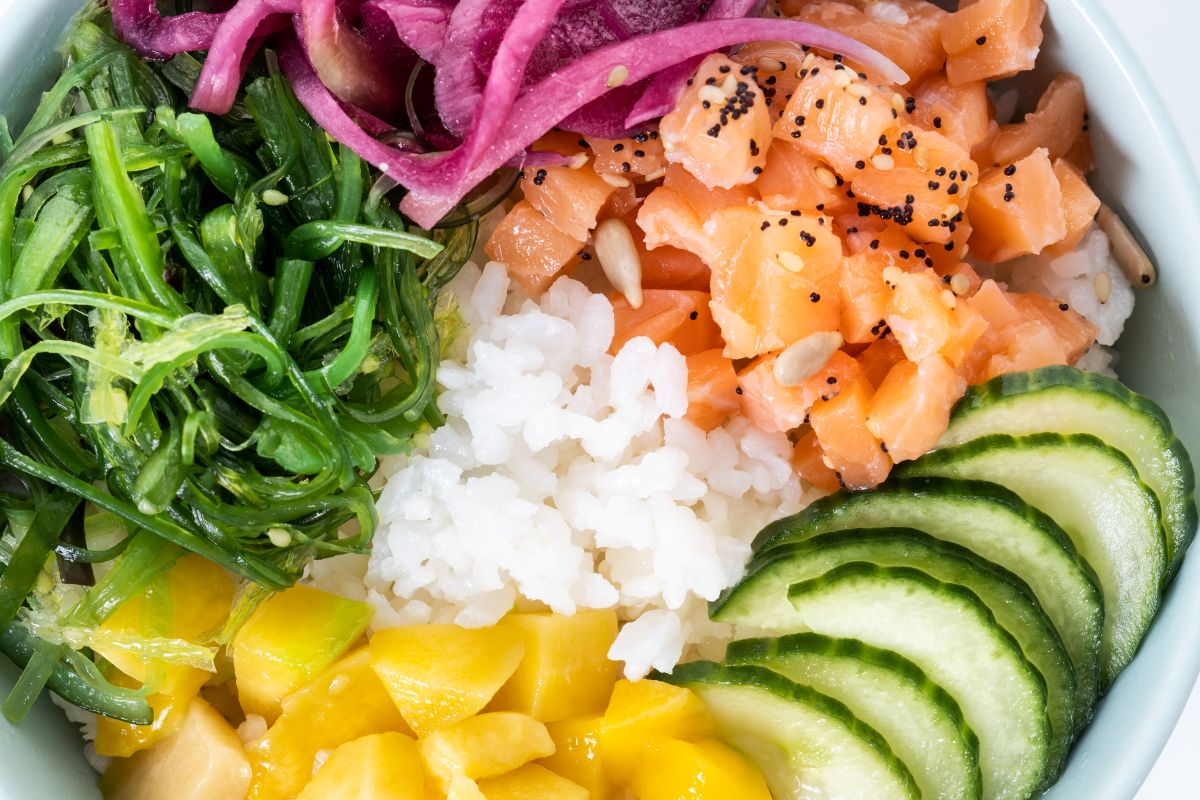
If you’re searching for a fast, nourishing meal that feels exciting every time, these Salmon rice bowls are exactly what you need. This simple Salmon rice recipe combines tender, flaky fish with warm rice, crisp vegetables, and a crave-worthy sauce all in one balanced bowl.
Busy weeknights call for meals that are quick, healthy, and satisfying without requiring complicated prep. That’s why this dish has become a favorite for home cooks who want real flavor with minimal effort. You can prepare it in under 30 minutes, customize it endlessly, and enjoy a protein-rich dinner that actually keeps you full. Whether you’re meal prepping for the week or cooking a fresh dinner tonight, this Salmon rice bowl delivers comfort, nutrition, and bold taste in every bite.
Table of Contents
Why You’ll Love This Recipe
- Quick and practical: Ready in about 25 minutes from start to finish.
- High in protein and healthy fats: Salmon keeps you satisfied for hours.
- Perfect for meal prep: Stores well and reheats beautifully.
- Budget-friendly: Uses simple pantry staples and fresh ingredients.
- Fully customizable: Swap grains, sauces, or vegetables easily.
- Balanced nutrition: Protein, carbs, fiber, and healthy fats in one bowl.
- Family-approved flavor: Mild, savory, and slightly sweet great for all ages.
Recipe Overview
- Prep time: 10 minutes
- Cook time: 15 minutes
- Total time: 25 minutes
- Servings: 4 bowls
- Calories per serving: ~520 kcal
- Cuisine type: Asian-inspired fusion
- Diet type: High-protein, dairy-free, gluten-free option available
Ingredients
Main Ingredients
- 4 salmon fillets (about 4–5 oz each)
- 2 cups cooked jasmine or white rice
- 1 cup cucumber, sliced thin
- 1 cup shredded carrots
- 1 avocado, sliced
- 1 tablespoon olive oil
- Salt and black pepper, to taste
Sauce & Toppings
- 3 tablespoons soy sauce or tamari
- 1 tablespoon honey or maple syrup
- 1 teaspoon sesame oil
- 1 teaspoon rice vinegar
- 1 teaspoon grated garlic
- 1 teaspoon grated ginger
- 1 tablespoon sesame seeds
- 2 tablespoons chopped green onions
- Optional: spicy mayo, chili flakes, or sriracha
Substitutions:
Brown rice, quinoa, or cauliflower rice can replace white rice. Trout or tofu works instead of salmon. Coconut aminos substitute for soy sauce to keep the dish gluten-free and slightly sweeter.
Step-by-Step Instructions
- Cook the rice
Prepare jasmine rice according to package instructions. Fluff with a fork and keep warm. Warm rice helps absorb the sauce better and improves overall flavor. - Season the salmon
Pat salmon fillets dry with paper towels. Rub lightly with olive oil, salt, and black pepper. Drying the surface helps achieve a better sear. - Pan-sear the salmon
Heat a nonstick skillet over medium-high heat. Place salmon skin-side down and cook for 4–5 minutes until crispy. Flip carefully and cook another 3–4 minutes until just cooked through. Avoid overcooking to keep the fish moist. - Prepare the sauce
In a small bowl, whisk soy sauce, honey, sesame oil, rice vinegar, garlic, and ginger until smooth. Taste and adjust sweetness or saltiness as desired. - Slice the vegetables
Cut cucumber thinly, shred carrots, and slice avocado just before serving to prevent browning. - Assemble the bowls
Divide warm rice among four bowls. Place a salmon fillet on top, then arrange cucumber, carrots, and avocado around it. - Add sauce and toppings
Drizzle generously with sauce. Sprinkle sesame seeds and green onions. Add spicy mayo or chili flakes if you like heat. - Serve immediately
Enjoy while warm for the best texture and aroma. The contrast of hot rice and cool vegetables makes every bite satisfying.
Pro Tips for Perfect Results
- Use fresh, high-quality salmon for the best flavor and texture.
- Do not overcrowd the pan this prevents proper searing.
- Cook salmon to medium so it stays tender and flaky.
- Season rice lightly with salt or rice vinegar to enhance taste.
- Balance flavors in the sauce: sweet, salty, tangy, and nutty should all be noticeable.
- Slice avocado last to keep it bright and fresh.
- Let salmon rest for one minute after cooking to retain juices.
Variations & Add-Ons
- Spicy Salmon Rice: Mix sriracha into the sauce or add chili crisp.
- Low-Carb Bowl: Replace rice with cauliflower rice or shredded cabbage.
- Teriyaki Style: Swap the sauce for homemade teriyaki glaze.
- Vegetarian Version: Use crispy tofu or roasted chickpeas instead of salmon.
- Extra Crunch: Add edamame, radishes, or toasted seaweed strips.
- Creamy Twist: Drizzle with spicy mayo or avocado dressing.
- Sweet-Savory Fusion: Add mango cubes or pineapple for freshness.
Storage and Meal Prep Tips
Refrigeration:
Store components separately in airtight containers for up to 3 days. Keeping sauce separate prevents soggy rice and vegetables.
Freezing:
Cooked salmon can be frozen for up to 2 months. Wrap tightly and thaw overnight in the refrigerator before reheating.
Reheating:
Warm rice and salmon gently in the microwave at medium power or in a covered skillet with a splash of water. Avoid overheating to prevent dryness. Add fresh toppings after reheating for the best texture.
Meal Prep Strategy:
Prepare rice, vegetables, and sauce ahead of time. Cook salmon fresh or in batches for quick weekday lunches.
FAQ Section
Can I use leftover salmon for Salmon rice bowls?
Yes. Leftover baked or grilled salmon works perfectly. Flake it into chunks and warm gently before adding to the bowl. This is a great way to reduce food waste while still enjoying a flavorful, protein-rich meal.
What type of rice is best for Salmon rice?
Jasmine rice is the most popular because it’s soft and slightly fragrant. However, brown rice, sushi rice, or quinoa also work well. Choose based on texture preference and dietary needs.
How do I know when salmon is fully cooked?
Salmon is done when it flakes easily with a fork and reaches an opaque pink color inside. The internal temperature should be about 125–130°F for moist, tender fish.
Can I make this recipe gluten-free?
Absolutely. Simply replace soy sauce with tamari or coconut aminos. All other ingredients are naturally gluten-free, making this an easy dietary adjustment.
Is this recipe good for weight-conscious meals?
Yes. Salmon provides protein and healthy fats that support fullness, while vegetables add fiber and nutrients. Using moderate rice portions or cauliflower rice can further reduce calories.
Conclusion
These comforting, colorful Salmon rice bowls prove that healthy meals don’t need to be complicated. With tender salmon, fluffy rice, crisp vegetables, and a bold homemade sauce, this Salmon rice recipe delivers restaurant-quality flavor in under 30 minutes. It’s perfect for busy evenings, meal prep planning, or anytime you want something nourishing and satisfying.
Give this recipe a try and make it your own with different toppings and sauces. If you enjoyed it, share your results, leave a comment, or pass the recipe along to someone who loves easy homemade meals. Your next favorite dinner might already be in this bowl.