
Introduction
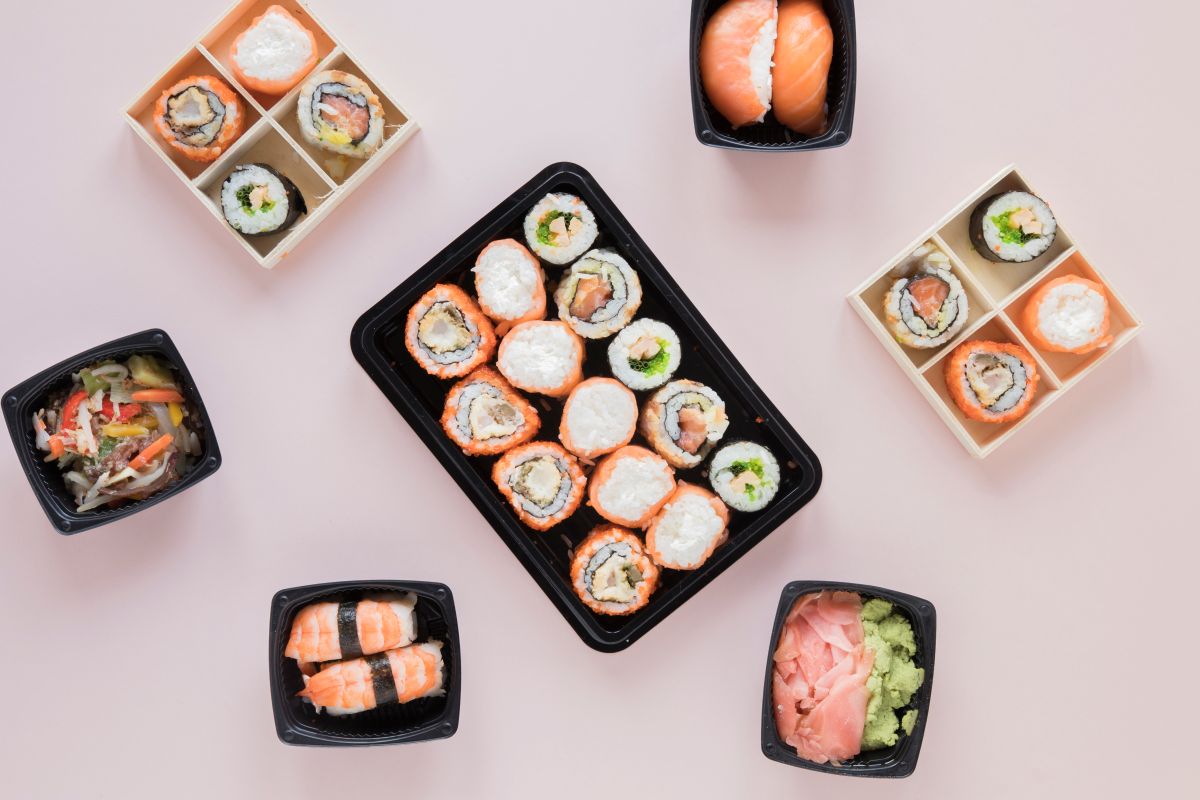
The first time I served sushi cups and interactive foods at a casual gathering, something surprising happened people didn’t just eat, they played with their food. Instead of neatly arranged rolls disappearing in silence, guests built their own bite-size creations, compared toppings, and asked for seconds before the platter was even half empty. That’s the magic of interactive recipes: they turn a simple meal into an experience.
Sushi cups are a modern, approachable twist on traditional sushi. They keep the fresh flavors of seasoned rice, crisp vegetables, and savory seafood but package everything into easy, handheld portions. No rolling mats, no complicated knife skills just layered flavor and beautiful presentation.
Beyond convenience, this recipe offers portion control, customizable nutrition, and crowd-pleasing versatility, making it perfect for parties, family dinners, or meal prep. Whether you love classic sushi flavors or want a creative, kid-friendly alternative, sushi cups deliver both fun and flavor in every bite.
Table of Contents
Recipe Summary
| Detail | Information |
|---|---|
| Prep Time | 25 minutes |
| Cook Time | 20 minutes |
| Total Time | 45 minutes |
| Difficulty | Easy to Moderate |
| Servings | 12 sushi cups |
| Dietary Tags | Gluten-free option, dairy-free, pescatarian, customizable vegetarian |
Ingredients (With Notes & Substitutions)
Sushi Rice Base
- 1 cup (200 g) sushi rice
Short-grain rice creates the sticky texture needed for shaping. - 1¼ cups (300 ml) water
- 2 tbsp (30 ml) rice vinegar
- 1 tbsp (12 g) sugar
- ½ tsp salt
Substitution: Use brown sushi rice for extra fiber (increase cook time by ~10 minutes).
Fillings & Toppings
- 150 g (5 oz) sushi-grade salmon or tuna, diced
Swap with cooked shrimp, smoked salmon, tofu, or avocado for vegetarian. - 1 small cucumber, finely chopped
- 1 avocado, diced
- 2 tbsp cream cheese (optional)
- 2 tbsp spicy mayo or sriracha mayo
- 2 tbsp soy sauce or tamari
- 1 sheet nori, cut into small strips
- 1 tbsp sesame seeds
- Green onions, thinly sliced
Substitution ideas:
- Mango or pineapple for sweetness
- Carrot ribbons for crunch
- Greek yogurt + chili sauce instead of mayo for lighter calories
For Assembly
- Non-stick muffin tin
- Plastic wrap or parchment squares (optional for easy removal)
Step-by-Step Instructions
1. Cook the Sushi Rice
Rinse the rice under cold water until the water runs mostly clear. This removes excess starch and prevents gumminess. Combine rice and water in a saucepan, bring to a boil, then cover and simmer for 15 minutes. Let it rest off heat for 10 minutes—this steaming step ensures tender grains.
Pro tip: Avoid lifting the lid while cooking; trapped steam is essential for proper texture.
2. Season the Rice
Warm the vinegar, sugar, and salt until dissolved, then gently fold into the rice using a spatula. Use slicing motions rather than stirring to keep grains intact. Allow the rice to cool until just warm hot rice will wilt fresh toppings.
Visual cue: Properly seasoned rice should look glossy, not wet.
3. Shape the Sushi Cups
Lightly oil a muffin tin or line with parchment. Press 2–3 tablespoons of rice into each cavity, pushing up the sides to form a small cup.
Why this matters: Compact rice holds toppings securely and creates the signature handheld shape.
Chill for 10 minutes to firm up.
4. Prepare Fillings
Dice fish into small, even cubes for balanced bites. Toss with a little soy sauce or spicy mayo. Chop vegetables uniformly so textures blend smoothly.
Timing tip: Prep toppings while rice cools to streamline the process.
5. Fill and Garnish
Remove rice cups carefully. Add seafood or vegetarian filling, then layer cucumber, avocado, and optional cream cheese. Finish with sesame seeds, nori strips, and green onions.
Flavor layering insight: Creamy → crunchy → savory toppings create the most satisfying bite.
6. Serve Fresh
Serve immediately for best texture, or chill up to 2 hours. Longer storage may dry the rice.
Expert Tips & Variations
Professional Tips
- Use sushi-grade fish only for safe raw consumption.
- Wet your fingers when handling rice to prevent sticking.
- Balance textures—each cup should include creamy, crunchy, and savory elements.
- Chill briefly before serving to help cups hold shape.
- Season lightly—too much soy sauce overwhelms delicate flavors.
- Add citrus zest for brightness without extra salt.
- Serve on a chilled platter to maintain freshness at gatherings.
Creative Variations
- Vegetarian Rainbow Cups: Avocado, mango, carrot, and pickled radish.
- Spicy Crab Cups: Imitation crab mixed with spicy mayo and sesame oil.
- Teriyaki Chicken Cups: Great for guests hesitant about raw fish.
- Poke-Style Cups: Marinated tuna with soy, sesame, and scallions.
- Low-Carb Cups: Replace rice with cauliflower rice seasoned similarly.
Troubleshooting
- Rice falling apart: Press more firmly or chill longer.
- Bland flavor: Increase vinegar seasoning slightly.
- Watery toppings: Pat vegetables and fish dry before adding.
Frequently Asked Questions
Can I make sushi cups ahead of time?
Yes prepare rice cups and toppings separately up to 24 hours ahead. Assemble just before serving for best freshness.
How should I store leftovers?
Refrigerate in an airtight container for up to 1 day. Rice texture will firm slightly when cold.
Can sushi cups be frozen?
Freezing is not recommended; rice becomes dry and toppings lose texture.
What equipment do I need besides a muffin tin?
Only basic kitchen tools: saucepan, knife, cutting board, and spatula.
Are there gluten-free options?
Use tamari instead of soy sauce and confirm imitation crab is gluten-free.
Can kids help make this recipe?
Absolutely. Let them choose toppings—interactive assembly encourages adventurous eating.
What if I don’t like raw fish?
Use cooked shrimp, smoked salmon, tofu, or vegetables instead.
Nutritional Information (Approximate per Cup)
- Calories: 120
- Protein: 5 g
- Carbohydrates: 15 g
- Fat: 4 g
- Fiber: 2 g
- Sodium: 180 mg
Health Benefits
- Omega-3 fatty acids from fish support heart and brain health.
- Avocado provides healthy fats and potassium.
- Portion-controlled size helps mindful eating.
Serving Suggestions & Pairings
Sushi cups shine in social settings. Serve them:
- On a party platter with soy sauce, pickled ginger, and wasabi
- Alongside miso soup or seaweed salad for a light meal
- With sparkling water, green tea, or crisp white wine
- As part of a DIY sushi bar where guests customize toppings
They’re ideal for birthdays, game nights, baby showers, or quick weeknight dinners when you want something fresh but effortless.
Cultural & Culinary Insights
While sushi cups are a modern fusion idea, they reflect a broader Japanese culinary philosophy: balance, seasonality, and visual harmony. Traditional sushi emphasizes simplicity and precision, and even playful adaptations like sushi cups still honor those principles through clean flavors and careful presentation.
Another interesting trend is the rise of interactive foods recipes designed to engage diners in assembling or customizing their meal. This approach isn’t just fun; studies in food psychology suggest participation can increase satisfaction and perceived flavor.
Conclusion
Sushi cups and interactive foods transform ordinary meals into memorable experiences. They combine the elegance of sushi with the ease of finger food, making them accessible for beginners yet impressive enough for entertaining. With customizable fillings, balanced nutrition, and vibrant presentation, this recipe proves that healthy eating can also be playful and social.
If you try these sushi cups, consider rating the recipe, sharing it with friends, or exploring other creative bite-size dishes in your kitchen. The joy of cooking grows when food brings people together and these colorful little cups do exactly that.