
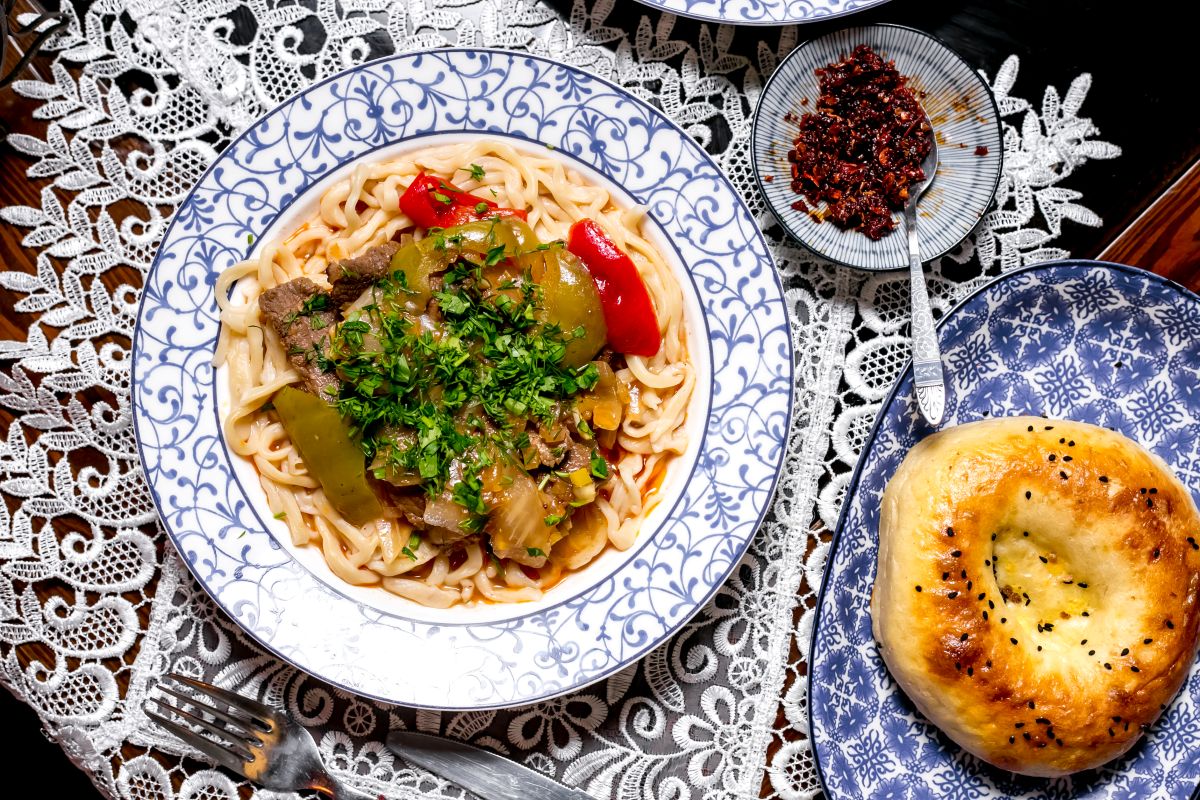
Introduction: Why Turkish Pasta Deserves a Spot on Your Table
If you think pasta belongs only to Italian kitchens, Turkish pasta is about to change your mind. This comforting yet bold dish blends the soul of Anatolian home cooking with the universal love for pasta. Imagine tender noodles coated in a silky yogurt-based or tomato-butter sauce, finished with fragrant spices like paprika, Aleppo pepper, and dried mint. It’s cozy, slightly tangy, deeply savory and incredibly satisfying.
In many Turkish households, pasta is not a shortcut meal but a canvas for flavor. Growing up, I learned that Turkish cooks treat pasta the same way they treat rice or bulgur: generously seasoned, lovingly finished, and always served warm and welcoming. What makes Turkish pasta special is its balance—rich but not heavy, spiced but never overpowering, simple yet layered.
Another reason this dish shines? Accessibility. The ingredients are affordable, flexible, and easy to adapt, making it perfect for busy weeknights or relaxed family dinners. Whether you’re new to Turkish cuisine or looking for a fresh way to enjoy pasta, this recipe delivers comfort, culture, and unforgettable flavor in one bowl.
Table of Contents
Recipe Summary Table
| Category | Details |
|---|---|
| Prep Time | 15 minutes |
| Cook Time | 25 minutes |
| Total Time | 40 minutes |
| Difficulty | Easy |
| Servings | 4 |
| Dietary Tags | Vegetarian option, customizable, comfort food |
Ingredients for Turkish Pasta (With Notes & Substitutions)
Pasta Base
- 400 g (14 oz) short pasta (penne, fusilli, or rigatoni)
Substitute: spaghetti or egg noodles - 1 tbsp salt (for pasta water)
Sauce & Flavor Base
- 3 tbsp unsalted butter
Substitute: olive oil for a lighter version - 2 tbsp olive oil
- 3 cloves garlic, minced
- 1 medium onion, finely chopped
- 2 tbsp tomato paste
Substitute: crushed tomatoes (reduce slightly) - 1 tsp sweet paprika
- ½ tsp Aleppo pepper or chili flakes (adjust to taste)
- ½ tsp ground black pepper
- ½ tsp dried mint (very traditional)
- Salt, to taste
Creamy Yogurt Layer (Optional but Classic)
- 1 cup (240 g) plain full-fat yogurt, room temperature
Substitute: Greek yogurt thinned with milk - 1 small garlic clove, grated
Toppings
- Fresh parsley, chopped
- Crumbled feta or Turkish white cheese (optional)
Step-by-Step Instructions (With Pro Tips)
1. Cook the Pasta Properly
Bring a large pot of water to a rolling boil. Add salt—it should taste like the sea. Cook pasta until al dente, then reserve ½ cup pasta water before draining.
Why it matters: Properly salted water is the first layer of flavor, and reserved pasta water helps bind the sauce later.
2. Build the Flavor Base
Heat butter and olive oil in a wide pan over medium heat. Add onions and cook for 5–6 minutes until soft and translucent. Stir in garlic and cook 30 seconds until fragrant.
Visual cue: The onions should look glossy, not browned.
3. Bloom the Spices
Add tomato paste, paprika, Aleppo pepper, black pepper, dried mint, and salt. Cook for 2–3 minutes, stirring constantly.
Pro tip: Cooking spices in fat unlocks deeper aroma and prevents raw flavors.
4. Bring the Sauce Together
Add a splash of reserved pasta water to loosen the sauce. Simmer gently for 3–4 minutes until smooth and slightly thick.
5. Combine Pasta and Sauce
Add cooked pasta directly to the pan. Toss well so every piece is coated. Adjust consistency with more pasta water if needed.
6. Prepare the Yogurt (Optional Layer)
Mix yogurt with grated garlic and a pinch of salt. Keep at room temperature to prevent curdling.
Important: Never add cold yogurt to hot pasta directly—serve it as a topping or swirl gently off heat.
7. Serve and Finish
Plate pasta, spoon yogurt over the top, drizzle with extra butter sauce if desired, and finish with parsley and cheese.
Expert Tips, Variations & Troubleshooting
Pro Tips
- Use full-fat yogurt for best texture and flavor.
- Always temper yogurt by letting it warm before serving.
- Don’t rush the onion step sweetness builds depth.
- Aleppo pepper adds warmth without harsh heat.
- Reserve more pasta water than you think you’ll need.
- Finish with dried mint rubbed between your palms for aroma.
Variations
- Ground Beef Turkish Pasta: Brown 250 g (½ lb) beef with onions.
- Spicy Turkish Pasta: Add 1 tsp Turkish chili paste.
- Creamy Tomato Version: Add ¼ cup cream to sauce.
- Vegan Turkish Pasta: Use olive oil and plant-based yogurt.
- Chicken Turkish Pasta: Add shredded roasted chicken.
Troubleshooting
- Sauce too thick? Add pasta water gradually.
- Yogurt curdled? It was too cold or overheated.
- Too acidic? Add a small pinch of sugar or butter.
Frequently Asked Questions (FAQ)
1. Can I make Turkish pasta ahead of time?
Yes. Store sauce and pasta separately for best texture.
2. How do I store leftovers?
Refrigerate in an airtight container for up to 3 days.
3. Can I freeze it?
Freeze without yogurt topping for up to 2 months.
4. What pasta works best?
Short pasta with ridges holds sauce better.
5. Is Turkish pasta spicy?
Mild by default; heat is adjustable.
6. Can I skip tomato paste?
Yes, but flavor will be lighter.
7. Is this authentic?
Yes—many Turkish homes prepare pasta this way, though variations exist.
Nutritional Information (Approximate per Serving)
- Calories: 520 kcal
- Protein: 16 g
- Carbohydrates: 62 g
- Fat: 24 g
- Fiber: 4 g
Health Note: Yogurt provides probiotics, while olive oil and spices offer anti-inflammatory benefits.
Serving Suggestions & Pairings
- Serve with: Turkish shepherd salad (Çoban Salatası)
- Bread: Warm pide or crusty sourdough
- Occasions: Weeknight dinners, family gatherings, cozy weekends
Cultural Insight
In Turkey, pasta is often viewed as a modern comfort food, especially popular among students and families. Unlike Italian traditions, Turkish pasta embraces bold spices and yogurt—reflecting the country’s Central Asian and Middle Eastern culinary roots.
Conclusion: Bring Turkish Comfort to Your Kitchen
This Turkish pasta recipe proves that comfort food doesn’t need to be complicated to be memorable. With pantry ingredients, warming spices, and a creamy yogurt finish, it delivers flavor, culture, and satisfaction in every bite.
If you enjoyed this recipe, leave a rating, share it with friends, and explore related dishes like Turkish manti, bulgur pilaf, or yogurt-based sauces on your site.
Happy cooking and afiyet olsun! 🍝