
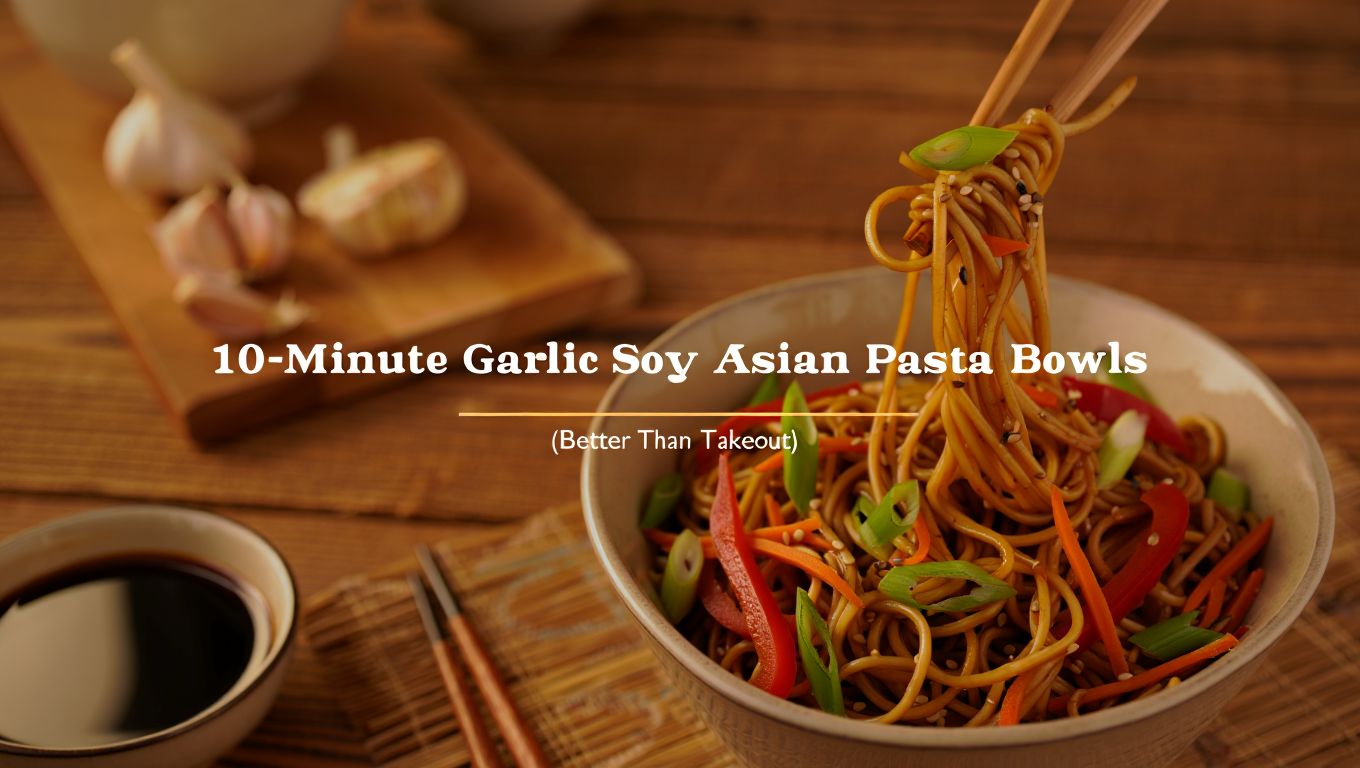
Some nights, you want the deep savory kick of Asian noodles without the delivery fee or the trip to a specialty grocery store. That’s where this Asian pasta dish comes in.
Think spaghetti or fettuccine staples you already have tossed in a quick, umami-packed sauce made from soy, garlic, ginger, and a touch of honey. It’s not authentic in the traditional sense, but it is delicious, fast, and endlessly adaptable. You get the slurp-worthy satisfaction of lo mein or yakisoba using ingredients from your local supermarket.
This recipe is for anyone who loves bold flavors but needs dinner on the table in under 20 minutes. It’s also perfect for using up that half-bag of pasta and wilting scallions in your fridge. No wok required. No obscure fermented pastes (unless you want them see variations below). Just a large skillet, a pot of boiling water, and a sauce that tastes like it simmered for an hour.
Why This Recipe Works
Here’s the cooking logic: traditional Asian noodles (like ramen or udon) often rely on alkaline salts for springiness. But Italian pasta has a similar wheat-based backbone and holds up beautifully to bold sauces as long as you treat it right.
The secret is starch water. When you cook pasta in lightly salted water and reserve a mug of that cloudy liquid before draining, you get a natural thickener. Combine that with soy sauce (salty, fermented), rice vinegar (bright, tangy), and a small amount of honey or brown sugar (sweet balance), and you create a sauce that clings to every strand instead of pooling at the bottom.
We also add the pasta directly to the sauce in a hot skillet for the final 60 seconds. That quick toss over medium-high heat allows the noodles to absorb flavor while the residual starch creates a silky, light glaze not gloopy, not watery.
Garlic and ginger get bloomed in hot oil first. This isn’t just for aroma. The heat transforms raw allicin and gingerols into deeper, rounder flavors. You’ll smell it the moment it hits the pan: savory, warming, instantly appetizing.
Ingredients
For the sauce (whisk together in a small bowl):
- ¼ cup low-sodium soy sauce (or tamari for gluten-free) – Provides salty umami. Low-sodium lets you control salt level.
- 2 tablespoons rice vinegar – Adds gentle acidity to cut richness. Unseasoned is best.
- 1 tablespoon honey or brown sugar – Balances salt and acid. Honey adds a floral note.
- 1 teaspoon sesame oil (toasted) – Nutty, aromatic. A little goes a long way.
- 1 teaspoon cornstarch – Helps the sauce lightly cling. Optional but recommended.
- ¼ cup reserved pasta water – The magic thickener. Add just before tossing.
For the pasta and stir-fry:
- 8 oz (about half a box) spaghetti, linguine, or fettuccine – Any long pasta works. Whole wheat or chickpea pasta also fine.
- 2 tablespoons neutral oil (avocado, vegetable, or canola) – High smoke point for stir-frying.
- 4 cloves garlic, minced – Non-negotiable for aroma.
- 1 tablespoon fresh ginger, grated (or ½ teaspoon ground in a pinch) – Fresh is brighter.
- 2 scallions, sliced – Green parts for garnish, white parts for cooking.
- Optional add-ins: 1 cup shredded carrot, bell pepper strips, snow peas, or leftover cooked chicken/shrimp.
Equipment
- Large pot (4–6 quarts) for boiling pasta
- Colander
- Liquid measuring cup or mug (for reserving pasta water)
- Large skillet or wok (12-inch preferred)
- Wooden spoon or silicone spatula
- Small bowl for mixing sauce
Step-by-Step Instructions
1. Boil the pasta (10 minutes).
Fill your large pot with water and bring to a rolling boil over high heat. Add a generous pinch of salt (about 1 tablespoon) this seasons the pasta from within. Drop in the spaghetti and cook according to package directions until al dente, usually 9–11 minutes.
Visual cue: The pasta should be tender but still offer slight resistance when bitten. No mushiness.
2. Reserve pasta water (15 seconds).
Just before draining, scoop out 1 cup of the starchy water using your mug. Set aside. Then drain pasta in a colander do not rinse. Rinsing washes away the starch you just worked for.
3. Mix the sauce (1 minute).
In your small bowl, combine soy sauce, rice vinegar, honey, sesame oil, and cornstarch. Whisk until honey dissolves and cornstarch is no longer lumpy.
4. Sauté aromatics (2 minutes).
Place your skillet over medium heat and add the neutral oil. Once it shimmers (hot but not smoking), add the minced garlic, grated ginger, and the white parts of the scallions. Stir constantly.
Smell cue: After 30 seconds, your kitchen will smell pungent and fragrant. Do not brown the garlic it should look pale gold, not dark brown. Burnt garlic tastes bitter.
5. Add sauce and pasta water (1 minute).
Pour the sauce mixture into the skillet. Add ¼ cup of your reserved pasta water. Stir and let it bubble gently for 30–45 seconds. The cornstarch will activate, turning the liquid into a thin, glossy glaze.
6. Toss in the pasta (1 minute).
Add the drained pasta directly to the skillet. Use tongs or two wooden spoons to lift and toss everything together. If the sauce seems too thick, add another tablespoon of reserved pasta water.
Texture cue: Each strand should be coated in a shiny, light sauce not dry, not swimming in liquid. The pasta should slide easily when you lift it.
7. Finish and serve (30 seconds).
Remove from heat. Sprinkle with the green parts of scallions. If you added proteins or vegetables, toss once more. Serve immediately in warm bowls.
Pro Tips
- Grate ginger using a microplane or the fine side of a box grater. Minced ginger from a jar works, but fresh grated ginger releases more juice and blends into the sauce without leaving fibrous strings.
- Cook pasta 1 minute less than package instructions. It will finish cooking in the hot skillet with sauce. This prevents mushy noodles.
- Toast sesame seeds for garnish. Heat a dry skillet over medium, add 1 tablespoon white or black sesame seeds, shake for 2 minutes until lightly golden. They add crunch and a nutty pop.
- Don’t skip the reserved pasta water. Even if you think the sauce looks thin, trust the process. The starch is what gives restaurant-style silkiness.
Common Mistakes to Avoid
- Using regular soy sauce instead of low-sodium. Full-sodium soy plus the natural reduction from heat can make the dish unpleasantly salty. Start lower, then add a pinch of salt at the end if needed.
- Overcooking garlic. Garlic burns in seconds. Once you see it turn brown, it’s too late the bitterness spreads through the oil. Keep heat at medium and stir constantly.
- Adding raw vegetables directly to the finished pasta. Hard veg like carrots or broccoli need a quick sauté first. Before adding garlic, cook your veg in the skillet for 2–3 minutes, then remove and set aside. Return them when you add the pasta.
- Skipping the cornstarch. Without it, the sauce stays thin and runs to the bottom of the bowl. Cornstarch creates that clingy, satisfying coating.
Variations
High-Protein Chicken & Broccoli:
Slice 1 boneless chicken breast into thin strips. Season with a pinch of salt and white pepper. Sear in the skillet before the garlic (remove, then add back with pasta). Add 1 cup steamed broccoli florets.
Vegan & Gluten-Free:
Use tamari instead of soy sauce. Replace honey with maple syrup or agave. Use rice noodles, chickpea pasta, or brown rice spaghetti. Add crispy tofu cubes or edamame for protein.
Spicy Gochujang Pasta:
Add 1 tablespoon Korean gochujang (fermented red chili paste) to the sauce mixture. Reduce soy sauce to 3 tablespoons. Garnish with toasted nori strips and a drizzle of extra sesame oil. It’s sweet, spicy, and deeply savory.
Peanut Satay Twist:
Whisk 2 tablespoons creamy peanut butter into the sauce (add an extra 2 tablespoons pasta water to thin it). Top with crushed peanuts and fresh cilantro.
Storage & Meal Prep
Refrigerator: Store leftovers in an airtight container for up to 3 days. The pasta will absorb some sauce overnight, making it denser. To revive, splash in a teaspoon of water or soy sauce before reheating.
Reheating: Microwave covered with a damp paper towel for 60–90 seconds. Or reheat in a nonstick skillet over medium-low with 2 tablespoons water, tossing until hot.
Meal prep: Make the sauce (without cornstarch) up to 5 days ahead. Add cornstarch just before cooking. Cook pasta fresh pre-cooked refrigerated pasta turns mushy.
Freezing: Not recommended. Pasta texture degrades significantly. However, the sauce alone freezes beautifully for up to 2 months.
Nutrition Benefits (Per Serving, ~1/4 of recipe)
- Calories: ~380–450 (depending on add-ins)
- Protein: 12g (from pasta and optional chicken/tofu)
- Carbohydrates: 55g
- Fat: 10g (mostly from sesame and neutral oil)
Garlic and ginger offer anti-inflammatory properties (no medical claim, just traditional use). Using whole-grain pasta adds fiber, which supports digestion. Rice vinegar provides acetic acid, which may help moderate blood sugar spikes when paired with carbs always consult your doctor for medical advice.
FAQ
Can I use other pasta shapes?
Absolutely. Short pasta like penne or rotini works well the sauce collects in the ridges. Just adjust cooking time to package directions.
Is this dish spicy?
Not as written. The base recipe has zero heat. For spice, add red pepper flakes (¼ teaspoon with the garlic) or sriracha to taste.
Why is my sauce watery?
Two likely reasons: you didn’t add enough cornstarch, or you didn’t let it bubble long enough to thicken. Also, be sure to add the pasta water before the cornstarch has settled whisk the sauce again right before pouring into the skillet.
Can I make this without a skillet?
Yes. Use a large sauté pan or even a nonstick pot. The key is enough surface area to toss the pasta freely without spilling.
What protein works best?
Shrimp (add raw with garlic, cooks in 2 minutes), leftover rotisserie chicken, thinly sliced beef, or fried tofu. Cook raw proteins first, remove from pan, then follow the recipe as written.
Conclusion
This Asian pasta dish is proof that fusion cooking doesn’t have to be complicated. With a handful of pantry staples and one skillet, you get a weeknight meal that feels special savory, glossy, and deeply satisfying. It’s become my go-to for nights when I want something faster than delivery and more flavorful than basic buttered noodles.
Once you master the sauce-to-starch ratio, you’ll start improvising. Swap honey for maple. Toss in leftover roasted veggies. Add a jammy egg on top. That’s the beauty of this recipe: it’s a template, not a trap. Now go boil that water.
- One-Pan Garlic Soy Chicken Thighs – Same flavor profile, different protein. Great for meal prep.
- The Best 15-Minute Korean Beef Bowls (Better Than Takeout) – A cold, no-cook cousin for summer.
- Easy Vegetable Lo Mein (No Wok Needed) – Another fusion noodle dish using fresh veggies and a similar sauce base.